
Bee & Wasp Information
Total Home Pest Solutions
What to Know About Bees & Wasps
If you live in Kaufman, TX and Mabank, TX, running into wasps and bees is almost unavoidable. These insects play important roles in the environment, yet when they build nests too close to your home, they can quickly shift from being beneficial to becoming a safety concern. Knowing which species are most common, how to recognize them, and when it is time to seek professional help can make a significant difference in keeping your family safe and maintaining comfortable outdoor spaces.
Why Bees & Wasps Matter and How to Recognize Them
Bees and wasps are some of the most familiar flying insects in Texas, recognized by their stings, buzzing sounds, and their importance in the environment. Many species contribute to pollination and help control other pests, yet some can become a major nuisance or even a safety threat when they build nests close to homes or busy outdoor areas.
General Traits of Bees and Wasps
- Two pairs of transparent wings and slender, segmented bodies
- Six legs and noticeable antennae
- Often marked with yellow, black, or brown striping
- Most are active during warm weather from spring through early fall
- Social species form colonies with queens, workers, and drones; solitary species create small, individual nests
- Capable of painful stings; wasps can sting repeatedly, while most bees can sting only once
Where They Nest and Hide
- Under eaves, decks, porches, or rooflines
- In shrubs, trees, wood piles, or fence posts
- Inside wall voids, attics, or storage sheds
- Underground burrows or hollow logs, depending on the species
Why They Matter
- Safety Concerns: Stings can be painful and may cause severe allergic reactions in some individuals.
- Structural Issues: Nests inside walls or attics can create damage and attract other pests.
- Outdoor Disruption: Aggressive species can make yards, patios, and play areas difficult to enjoy.
- Environmental Importance: Many bee species are valuable pollinators and should be relocated carefully instead of exterminated whenever possible.
General Traits of Bees & Wasps
- Two pairs of transparent wings and slender, segmented bodies.
- Six legs and noticeable antennae
- Often marked with yellow, black, or brown striping.
- Most are active during warm weather from spring through early fall.
- Social species form colonies with queens, workers, and drones; solitary species create small, individual nests.
- Capable of painful stings; wasps can sting repeatedly, while most bees can sting only once.
Where They Nest & Hide
Outdoors
- Under eaves, decks, porches, and rooflines.
- In shrubs, trees, wood piles, and along fence posts.
- Inside wall cavities, attics, outdoor structures, and storage sheds.
- In underground burrows or hollow logs, depending on the species (common for bees and yellowjackets).
Indoors
- Basements, attics, and storage areas with dark, undisturbed spaces.
- Corners, ceilings, behind furniture, and closets where web‑building insects create hidden webs.
- Around doors, windows, and vents where small openings allow entry.
- Inside wall voids and crawlspaces where pests travel while searching for shelter or prey.
Why They Matter
- Safety Concerns: Stings can be painful and may cause severe allergic reactions in some individuals.
- Structural Issues: Nests inside walls or attics can create damage and attract other pests.
- Outdoor Disruption: Aggressive species can make yards, patios, and play areas difficult to enjoy.
- Environmental Importance: Many bee species are valuable pollinators and should be relocated carefully instead of exterminated whenever possible.
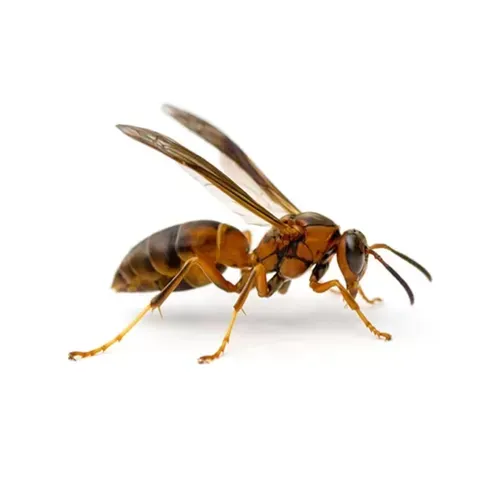
Paper Wasp
¾–1 inch long, brown to reddish with yellow markings. Builds open, umbrella-shaped nests under eaves or decks; semi-aggressive when defending nest.
Typical Nesting Sites:
Under eaves, porch roofs, decks, sheds, and outdoor furniture
Venom Risk / Notes:
Moderate sting risk; capable of stinging multiple times
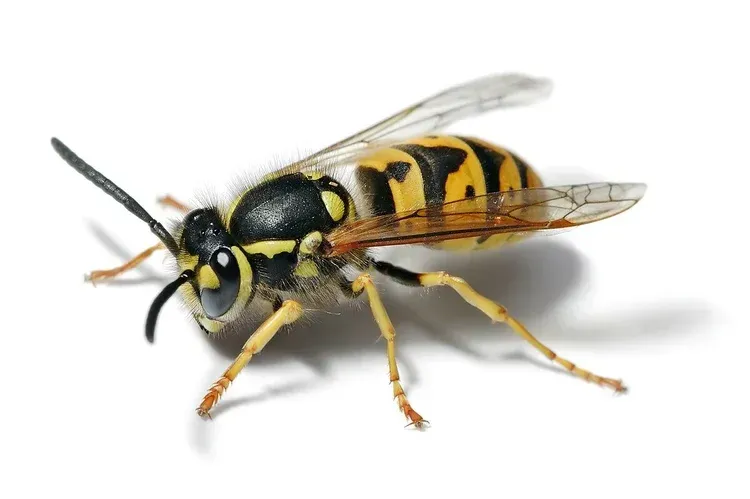
Yellow Jacket
½ inch long, bright yellow and black. Very aggressive; defends nest vigorously; scavenges at picnics and garbage cans.
Typical Nesting Sites:
Underground burrows, wall voids, shrubs, and tree root areas
Venom Risk / Notes:
High sting risk; capable of stinging repeatedly and may swarm when threatened
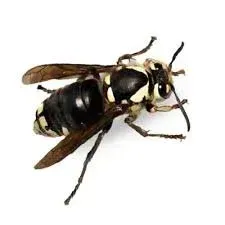
Bald-Faced Hornet
¾–1 inch, black with white facial markings. Builds large, enclosed paper nests in trees or on buildings; extremely defensive.
Typical Nesting Sites:
High tree branches, shrubs, or building corners
Venom Risk / Notes:
High sting risk; colonies defend their nests aggressively
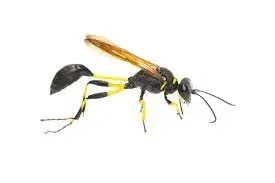
Mud Dauber
¾–1 inch, slender with long “thread-waist”. Solitary; builds mud tube nests; rarely aggressive.
Typical Nesting Sites:
Under eaves, inside attics, and in garages
Venom Risk / Notes:
Low sting risk; beneficial because they hunt spiders
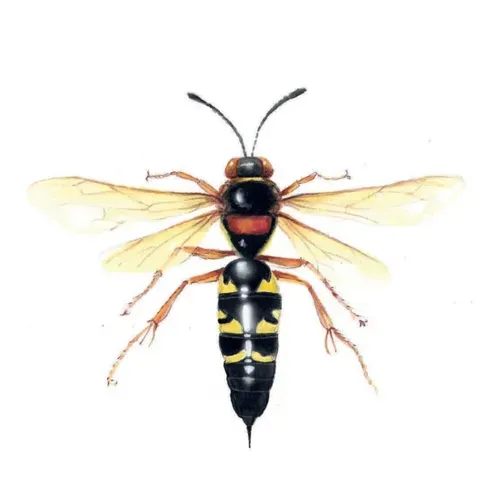
Cicada Killer Wasp
Up to 1½ inches, brown with yellow markings. Solitary ground burrower; males guard territory but don’t sting.
Typical Nesting Sites: Bare soil, lawns, near sidewalks
Venom Risk / Notes: Low sting risk; intimidating but mostly harmless
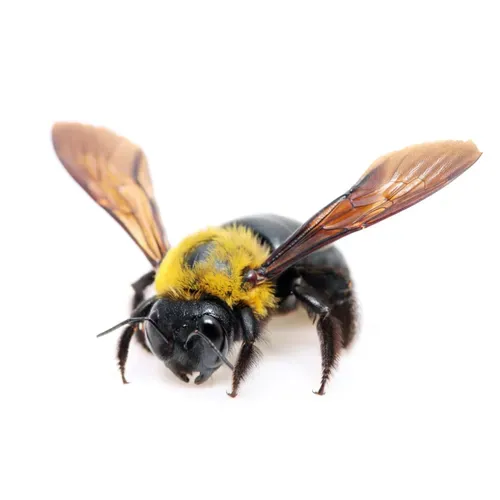
Carpenter Bee
¾–1 inch, shiny black abdomen. Drills round holes in untreated wood to nest; males territorial but don’t sting.
Typical Nesting Sites:
Wooden decks, fences, siding, and other exposed wood
Venom Risk / Notes:
Moderate risk of wood damage; minimal sting hazard
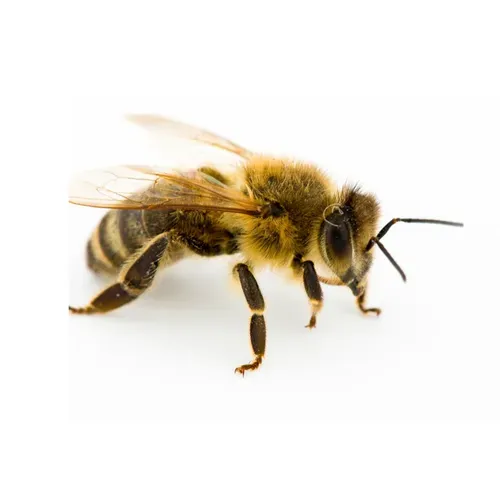
Honeybee
¾–1 inch, black with white facial markings. Builds large, enclosed paper nests in trees or on buildings; extremely defensive.
Typical Nesting Sites:
High tree branches, shrubs, or building corners
Venom Risk / Notes:
High sting risk; colonies defend their nests aggressively
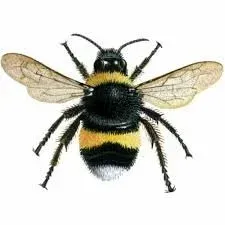
Bumblebee
¾ inch, fuzzy black and yellow. Social but generally gentle; sting if provoked.
Typical Nesting Sites:
Ground burrows, compost piles, and areas under sheds
Venom Risk / Notes:
Moderate sting risk when disturbed; valuable pollinators
The Risks Associated With an Ant Infestation
Although some ants are mostly a nuisance, others can create serious problems that affect your home, health, and overall comfort.
- Structural Damage
Carpenter ants excavate wood to build their nests, which can weaken framing, flooring, and trim as time goes on. Their activity is often hidden, so the damage may not be noticed until it becomes significant. - Painful Stings and Bites
Fire ants are well known for their aggressive behavior and painful, venomous stings. These stings can cause burning, itching, and in some cases severe allergic reactions that require medical care. - Food Contamination
Pharaoh ants and odorous house ants can contaminate food, counters, and stored goods. Certain species are also capable of carrying bacteria such as Salmonella and Staphylococcus. - Electrical Problems
Fire ants sometimes build nests inside electrical boxes, air conditioning equipment, or wiring. This can lead to short circuits, malfunctioning equipment, and costly repairs. - Rapid Growth and Spread
Many ant colonies can divide into multiple nests when disturbed, which means do‑it‑yourself treatments often make an infestation spread instead of resolving it.
Behavior and Activity Patterns
Bees and wasps in Kaufman, TX and Mabank, TX display predictable seasonal and daily activity patterns that help explain when they become more noticeable around homes.
Seasonal Activity
Most species become active in early spring once temperatures begin to rise. Colonies grow steadily throughout summer and often reach their largest size in late summer or early fall. During this period, wasps may become more defensive as food sources decrease and nest protection becomes a priority.
Daily Activity
Wasps and bees are diurnal, meaning they are active during daylight hours. Activity levels are highest during warm, sunny mornings and afternoons. Most species return to their nests at night to rest.
Feeding Habits
- Bees gather nectar and pollen and play a major role in plant pollination
- Wasps act as both predators and scavengers, feeding on insects, sugary drinks, fruits, meats, and sweets. This behavior often brings them close to people during outdoor activities.
Territorial Behavior
Wasps tend to defend their nests more aggressively than bees and can sting multiple times when threatened. Bees usually sting only when provoked or when defending their hive.
Nest Growth
Social species such as paper wasps, hornets, and yellowjackets continue to expand their nests throughout the summer. A small nest found early in the season can develop into a much larger colony by fall if left unmanaged.
Seasonal Activity
Most species become active in early spring once temperatures begin to rise. Colonies grow steadily throughout summer and often reach their largest size in late summer or early fall. During this period, wasps may become more defensive as food sources decrease and nest protection becomes a priority.
Daily Activity
Wasps and bees are diurnal, meaning they are active during daylight hours. Activity levels are highest during warm, sunny mornings and afternoons. Most species return to their nests at night to rest.
Feeding Habits
- Bees gather nectar and pollen and play a major role in plant pollination.
- Wasps act as both predators and scavengers, feeding on insects, sugary drinks, fruits, meats, and sweets. This behavior often brings them close to people during outdoor activities.
Territorial Behavior
Wasps tend to defend their nests more aggressively than bees and can sting multiple times when threatened. Bees usually sting only when provoked or when defending their hive.
Net Growth
Social species such as paper wasps, hornets, and yellowjackets continue to expand their nests throughout the summer. A small nest found early in the season can develop into a much larger colony by fall if left unmanaged.
Bee & Wasp Safety: Get Help Today
Seeing a few wasps or bees around flowers is normal, but multiple nests or heavy activity near doors, play areas, or attic spaces can quickly become a safety concern, since wasp colonies grow throughout the summer and can reach thousands by late season, and bees nesting inside walls may cause long-term structural issues and attract pests that feed on honey or wax. If you notice persistent buzzing, visible nests, or swarming around your home, it’s safest to call a professional because DIY removal can lead to painful stings or property damage. Total Home Pest Solutions offers tailored ant control plans for your specific needs, proudly serving communities within a 45-mile radius of Canton, TX, as well as Ellis County.
Contact us today to schedule your free estimate and take the first step towards a property free of bees and wasps.

